Exposición, conferencia y espectáculo en relación a Eugenio Barga y al Odin Teatret.

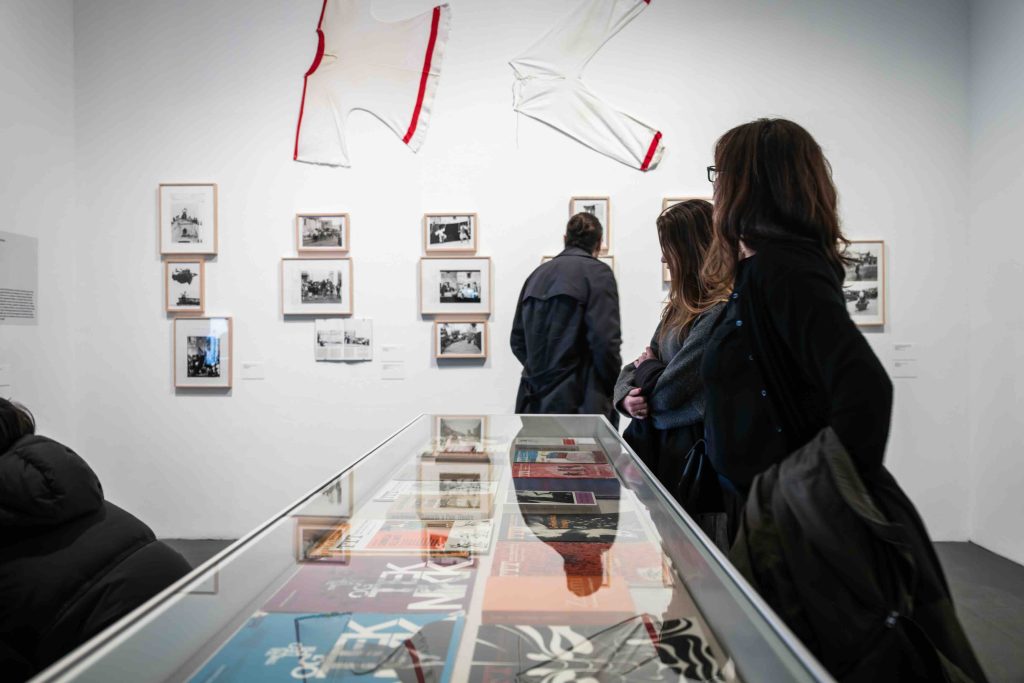
AUTOPENETRACIÓ – Exposición histórica – La Virreina Centre de la ImatgeComisario: Roger Bernat.
Eugenio Barba (Bríndisi, 1936) funda el Odin Teatret y abandera el «Tercer teatro», que surge en los años 70 en las periferias de las grandes capitales de Europa y Latinoamérica. Este movimiento, al margen de instituciones y vanguardias, se enfoca en la búsqueda de las propias raíces. Su ornamento es la creación colectiva y la organización no jerárquica del trabajo.
El dramaturgo e investigador teatral Eugenio Barba y su compañía Odin Teatret comparten con la modernidad el afán de adentrarse en lo profundo y, al mismo tiempo, explorar lo lejano. Para la compañía nórdica, tanto las interioridades del cuerpo como las culturas remotas constituyen territorios privilegiados de exploración de uno mismo.
Entre la fundación de la compañía, en 1964, y la creación de la Escuela Internacional de Antropología Teatral, en 1979, Barba señala mediante el manifiesto del «Tercer teatro» a los centenares de grupos que, durante la década de los setenta, operan en las periferias de las grandes capitales. Son grupos que trabajan al margen del primer teatro, representado en las instituciones teatrales, y del segundo, abanderado por las vanguardias. El fundamento de las compañías del tercer teatro es la búsqueda de las propias raíces; su ornamento, la creación colectiva y la división no jerárquica del trabajo.
Aunque el Odin Teatret continúa hoy en activo, la muestra recorre su actividad entre 1971 y 1979, años en los que apuntala formas disidentes que, iniciándose en lo que Barba denominó la «autopenetracióncolectiva», acabaron por tomar las calles de Europa y Latinoamérica.
Coproducida con el Polo Biblio-Museale di Puglia.
EQUIPO
Coordinació i producció: Laura Casal, Tania Gimenez, Vera Martín Zelich. Comunicació i premsa: Laia Carbonell, Nura Nieto, Matías Rossi, Premsa ICUB. Administració econòmica: Jose Antonio Trujillo, Miguel Ángel Vilches, Nuria Arroyo. Muntatge i il·luminació: TAT_Lab. Conservació preventiva: Yasmin Margaleff. Disseny expositiu: Santi de León Molina. Disseny gràfic de l’exposició: Sergi Opisso. Disseny gràfic de la comunicació: Hermanos Berenguer. Producció Audiovisual: Colibrí Studio. Subtítols: Sounds and Words. Fusteria: ARAM: Emmarcament: Yasmin Margaleff. Traduccions Discobole, Serveis Lingüístics. Producció gràfica: EGM Laboratoris Color. Producció de comunicació: Agpograf, Real Digital Production SL, Publiservei. Pintura: Dropi. Assegurances: One Underwriting
Prestadors: Polo Biblio-museale Lecce, Fundazione BarbaVarley, Nordisk Teater Laboratorium, Teatre Lliure, Museu de les Arts Escèniques, Mallerich Films, Toni Cots, Iben Nagel Rasmussen, Donald Kitt, Silvia Ricciardelli, Fernando Sevilla i Cándido Polo.
Agraïments: Eugenio Barba, Julia Varley, Iben Nagel Rasmussen, Else-Marie Laukvik, Donald Kitt, Francesca Romana Rietti, Claudio Coloberti, Toni Cots, Lluís Masgrau, Luigi De Luca, Paolo Paticchio, Vincenzo Santoro, Simone Dragone, Emanuele Amoruso, Kap Bech Jensen, Mirella Schino, Leonardo Mancini, Ugo Volli, Luigi de Angelis, Davide Verga, Francesca Albanese, Antoni Tordera, Cándido Polo, Enric Jordà i Ingrid Synnøve Mathiasen, Fernando Sevilla, Oscar Martínez, Ricardo Iniesta, Carlos Marquerie, Julián Herrero, Marie-Klara González, Silvia Pereira, Joan Font, Anna Valls Pasola, Ana Triviño, Paco Poch, Anabel de la Paz, Anna Verdaguer Carbonell, Núria Pascal, Sandra Skriver i Luis Cerveró.
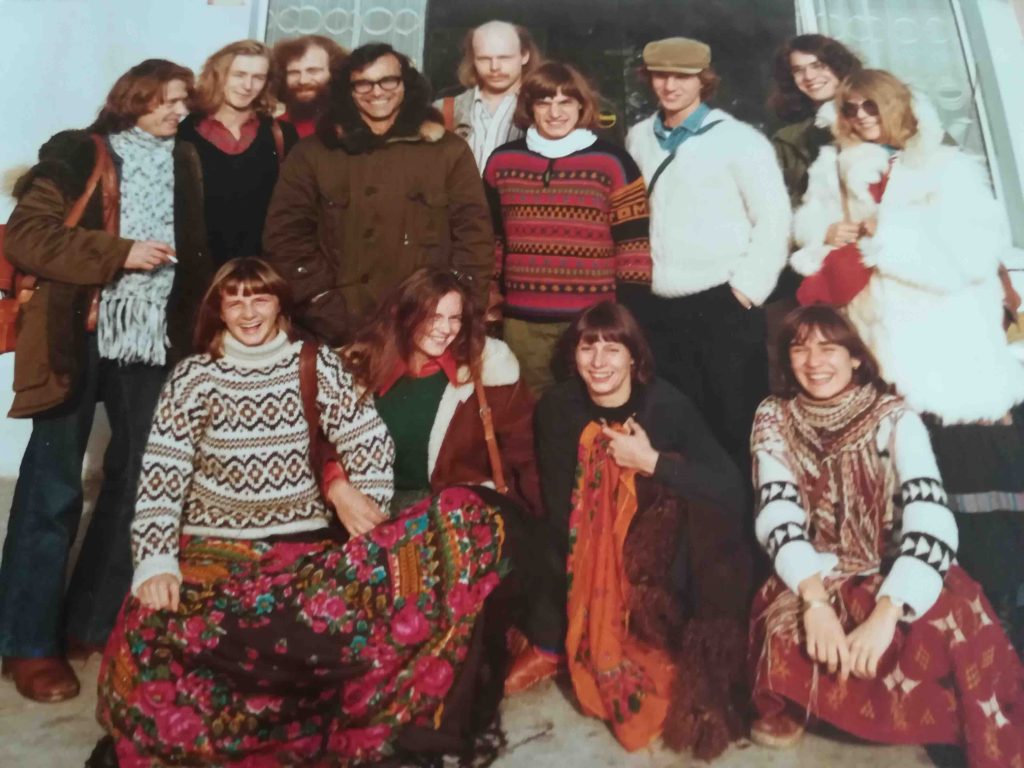
VISITA DE EUGENIO BARBA & JULIA VARLEY
El 13 de setembre Eugenio Barba i Júlia Varley de l’Odin Teatret van oferir una demostració de treball i van donar una conferència a la Fundació Brossa. La filmació és aquí:
https://ajuntament.barcelona.cat/lavirreina/ca/recursos/odin-teatret-60-anys-de-teatre/947
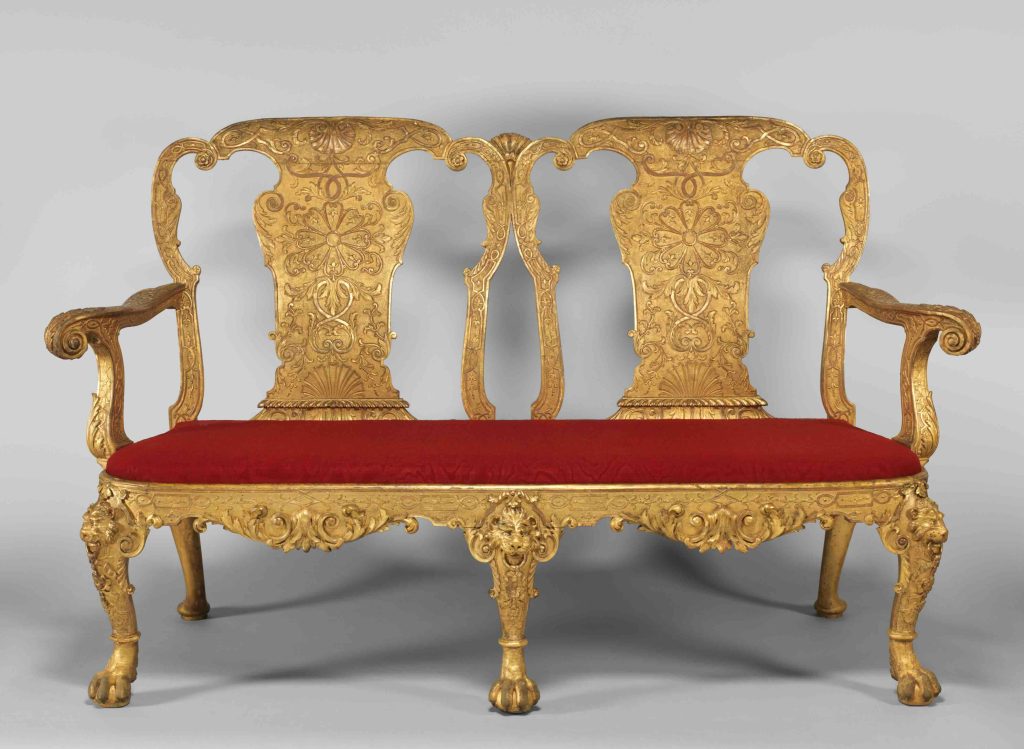
AUTORITAS – exposición performativa – Roger Bernat y Søren Evinson con la colaboración de Toni Cots. Música: James Trimmer. Iluminación: Ana Rovira. Repetidora: Irene G. Ontiveros.
Estreno: 16-17 Julio 2025. Fundació Brossa. Festival Grec 2025.
A escena es troben Toni Cots, actor entre 1975 i 1984 de la companyia nòrdica Odin Teatret, i Søren Evinson, performer. Cots és aliè al que li depara la performance, però es lliura sense reserves a les indicacions del seu jove deixeble. La interacció entre tots dos es converteix en un joc de confiança i vulnerabilitat que transita els tabús en matèria de comportament socioafectiu que animen l’actual retòrica de les cures. A través del contacte entre mestre i deixeble, Cots no només reviu com a actor, sinó que es lliura a la història d’un art que desborda manipulació, explotació i sotmetiment psíquic. Evinson, per la seva banda, suplanta el mestre per assolir la cota d’amoralitat, passió i prepotència que és indefugiblement funcional a la recerca de la bellesa de l’últim segle de creació teatral.
Autoritas és un dispositiu que mostra la disponibilitat infinita de l’actor a exposar-se i la carismàtica tendència del mestre a manipular. Capaços tots dos de sacrificar-se per complir amb el decàleg d’expressivitat i veritat exigits, són víctimes de si mateixos i han après a ser-ho sent víctimes de tots els seus mestres.
PRENSA
Autopenetració, autòpsia, autoritat. Oriol Puig Taulé. Núvol, 23/07/2025
AUTOPSIA – Exposición oral – Roberto Fratini
Estreno: 16-17 Julio 2025. Fundació Brossa. Festival Grec 2025.
Fàustic i punyeter, ningú no sap millor que l’actor de quanta submissió s’alimenta l’alliberament de la creativitat. Tots els «mètodes» del segle han pretès que els obrers de la mentida fossin amos dels seus mitjans de producció ―i dignes de mentir. La veritat interior i la fràgil tasca introspectiva per trobar-la conformarien, plegades, una competència igual de moralitzadora que la de la feina manual en la cosmovisió marxiana: aquesta maniobra de redempció ètica de l’art com a feina ocuparia pràcticament tot el camp discursiu de les avantguardes històriques. Stanislavski va ser, en certa manera, el profeta del paradigma d’autoexplotació que hi havia amagat entre els plecs de la dictadura del proletariat i que es desplegaria de la manera més radical no ja en l’epopeia de masses de la revolució socialista, sinó en el lirisme individual del subjecte finalment alliberat i lliure de sincerar-se, carn de canó del paradigma neoliberal.
Les dues instàncies que conformen el títol del text principal de Stanislavski, «Rabota aktiora nad soboi» (El treball de l’actor sobre si mateix), anuncien la infinita disponibilitat del subjecte postmodern ―emancipat, únic, umbilical, hipersensible i creatiu― per prostituir la seva intimitat, per deixar-se precaritzar en nom de l’autonomia, per manipular-se amb una energia que depassa els somnis humits de qualsevol manipulador exogen: se sincera a preu fet a les arenes on competeixen les noves subjectivitats de luxe mentre menteix (i es menteix) com respira.
de si mateixos i han après a ser-ho sent víctimes de tots els seus mestres.
PREMSA
Autopenetració, autòpsia, autoritat. Oriol Puig Taulé. Núvol, 23/07/2025
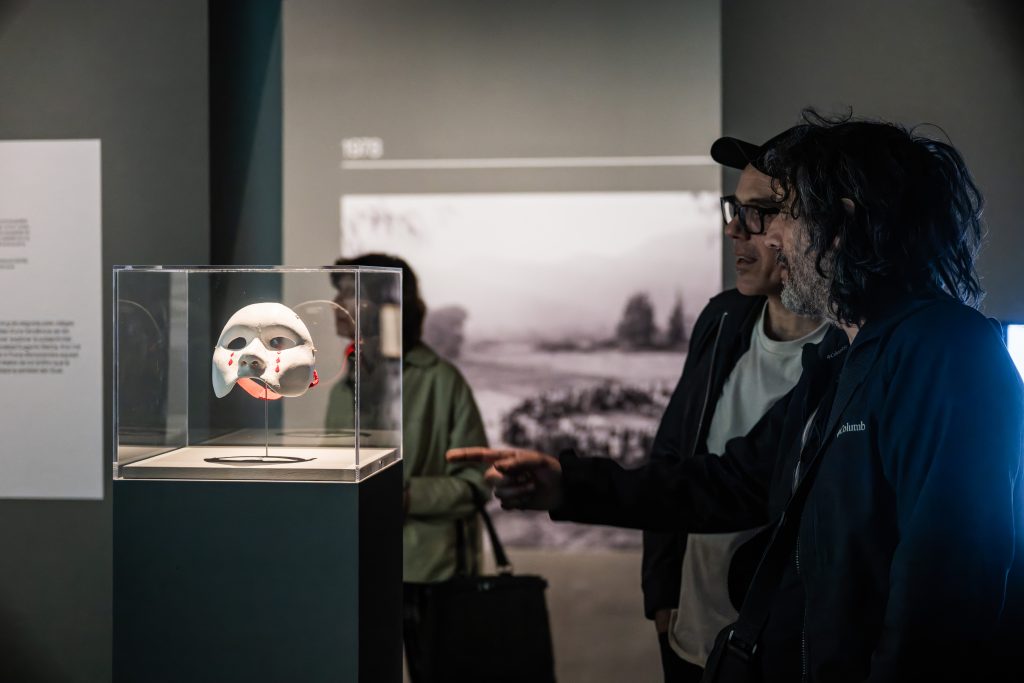
SELF-PENETRATION – Historical exhibition
Eugenio Barba / Odin Teatret
17.04.2025 – 28.09.2025
Curator: Roger Bernat. Opening: Wednesday 16 April, 7 pm
Eugenio Barba (Brindisi, 1936) founded Odin Teatret and championed the “Third Theatre,” which emerged in the 1970s in the outskirts of major cities in Europe and Latin America. This movement, operating outside both institutions and avant-garde circles, focuses on the search for one’s own roots. Its hallmark is collective creation and the non-hierarchical organization of work.
The playwright and theatre researcher Eugenio Barba and his company Odin Teatret share with modernity the drive to delve deep while, at the same time, exploring what is distant. For the Nordic company, both the inner workings of the body and remote cultures are privileged territories for self-exploration.
Between the founding of the company in 1964 and the creation of the International School of Theatre Anthropology in 1979, Barba, through the manifesto of the “Third Theatre,” pointed to the hundreds of groups that, during the 1970s, operated in the outskirts of major cities. These were groups working outside the First Theatre, represented by theatrical institutions, and the Second Theatre, championed by the avant-garde. The foundation of Third Theatre companies is the search for their own roots; their hallmark is collective creation and the non-hierarchical division of work.
Although Odin Teatret is still active today, this exhibition covers its activity between 1971 and 1979—years in which it consolidated dissenting forms that, beginning with what Barba called “collective self-penetration,” eventually took to the streets of Europe and Latin America.
Co-produced with the Polo Biblio-Museale di Puglia.
VISIT BY EUGENIO BARBA
On September 13, Eugenio Barba and Julia Varley of Odin Teatret will give a work demonstration and a lecture at the Brossa Foundation.
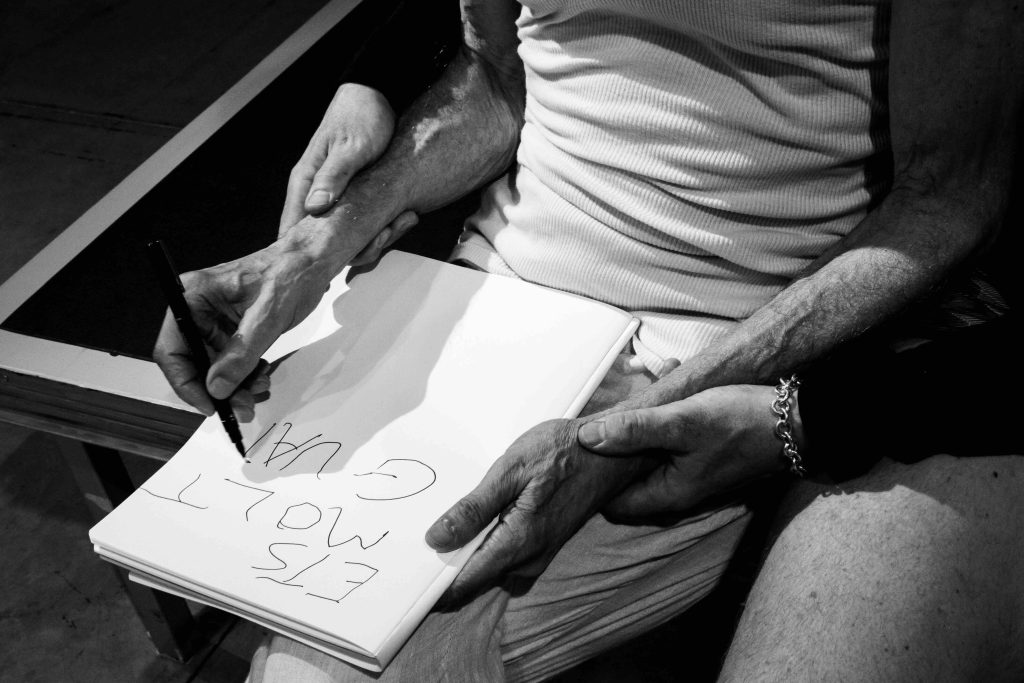
AUTORITAS – Performative exhibition
By Roger Bernat y Søren Evinson with the colaboration of Toni Cots. Music: James Trimmer. Lights: Ana Rovira. Rehearsals: Irene G. Ontiveros.
Opening: 16-17 July 2025. Fundació Brossa. Festival Grec 2025.
On stage, we find Toni Cots, an actor from 1975 to 1984 with the Nordic company Odin Teatret, and Søren Evinson, a performance artist. Cots is oblivious to what the performance art piece holds for him but fully gives himself over to the instructions of his young apprentice. The interaction between them plays with trust and vulnerability, navigating the taboos of social and emotional behaviour that are driving current approaches to caregiving. Through the contact between teacher and apprentice, Cots not only makes his acting return, but also surrenders to the history of an art form rife with manipulation, exploitation, and psychological submission. Evinson, meanwhile, replaces his teacher to reach the level of amorality, passion, and arrogance that is inextricably linked to the pursuit of beauty in the last century of stagecraft.
Autoritat showcases the actor’s infinite willingness to expose himself and the teacher’s charismatic tendency to manipulate. Both are capable of sacrificing themselves to meet the dictates of expressiveness and truth demanded; they are victims of themselves and have learned to be so by being victims of all their teachers.
Founded in 1964, the Danish-Norwegian company Odin Teatret is famous worldwide. Its founder, Eugenio Barba of Italy, is considered one of the most innovative figures in modern theatre. Between last April and September, La Virreina Centre de la Imatge hosted the exhibition “Autopenetració. Eugenio Barba / Odin Teatret”, about Barba and the company’s activities from 1971 to 1979. It is curated by Roger Bernat. This July, it will be complemented by a second, oral exhibition entitled Autòpsia [Autopsy] and curated by playwright Roberto Fratini at the Joan Brossa Foundation’s prestigious Centre de les Arts Lliures for both visual and performing arts. Finally, in Autoritat, Roger Bernat and performer Søren Evinson trace the arc that separates three generations of theatre professionals.
AUTOPSY – Spoken exhibition
by Roberto Fratini
Faustian and stubborn, no one knows better than the actor how much submission fuels the liberation of creativity. All the “methods” of the century have sought to make the workers of falsehood masters of their means of production—and worthy of lying. Inner truth and the fragile introspective task of finding it would together constitute a form of expertise just as moralizing as manual labor in the Marxian worldview: this maneuver to ethically redeem art as labor would occupy virtually the entire discursive field of the historical avant-gardes. Stanislavski was, in a way, the prophet of the paradigm of self-exploitation hidden in the folds of the dictatorship of the proletariat, which would unfold in its most radical form not in the mass epic of the socialist revolution, but in the individual lyricism of the subject finally liberated and free to bare their soul—cannon fodder for the neoliberal paradigm.
The two elements that make up the title of Stanislavski’s main text, Rabota aktiora nad soboi (An Actor’s Work on Himself), herald the infinite availability of the postmodern subject—emancipated, unique, umbilical, hypersensitive, and creative—to prostitute their own intimacy, to allow themselves to be rendered precarious in the name of autonomy, to manipulate themselves with an energy that surpasses the wildest dreams of any external manipulator: they bare their soul at a fixed price in the arenas where the new luxury subjectivities compete, while lying (and lying to themselves) as naturally as they breathe.